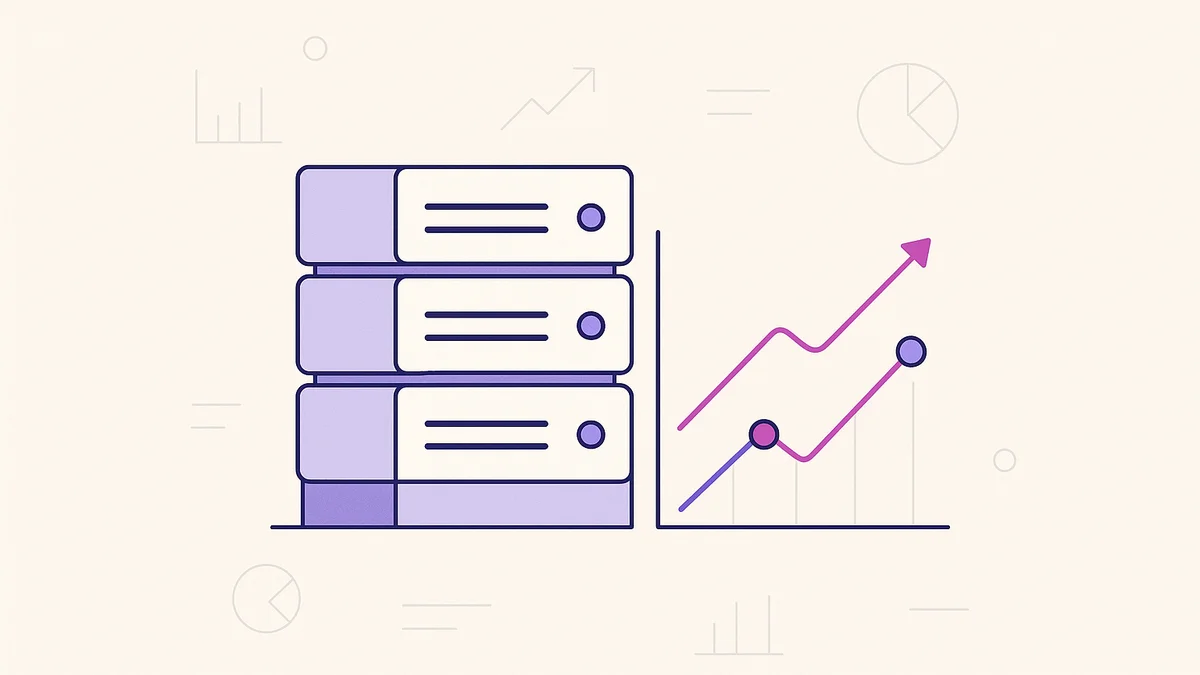
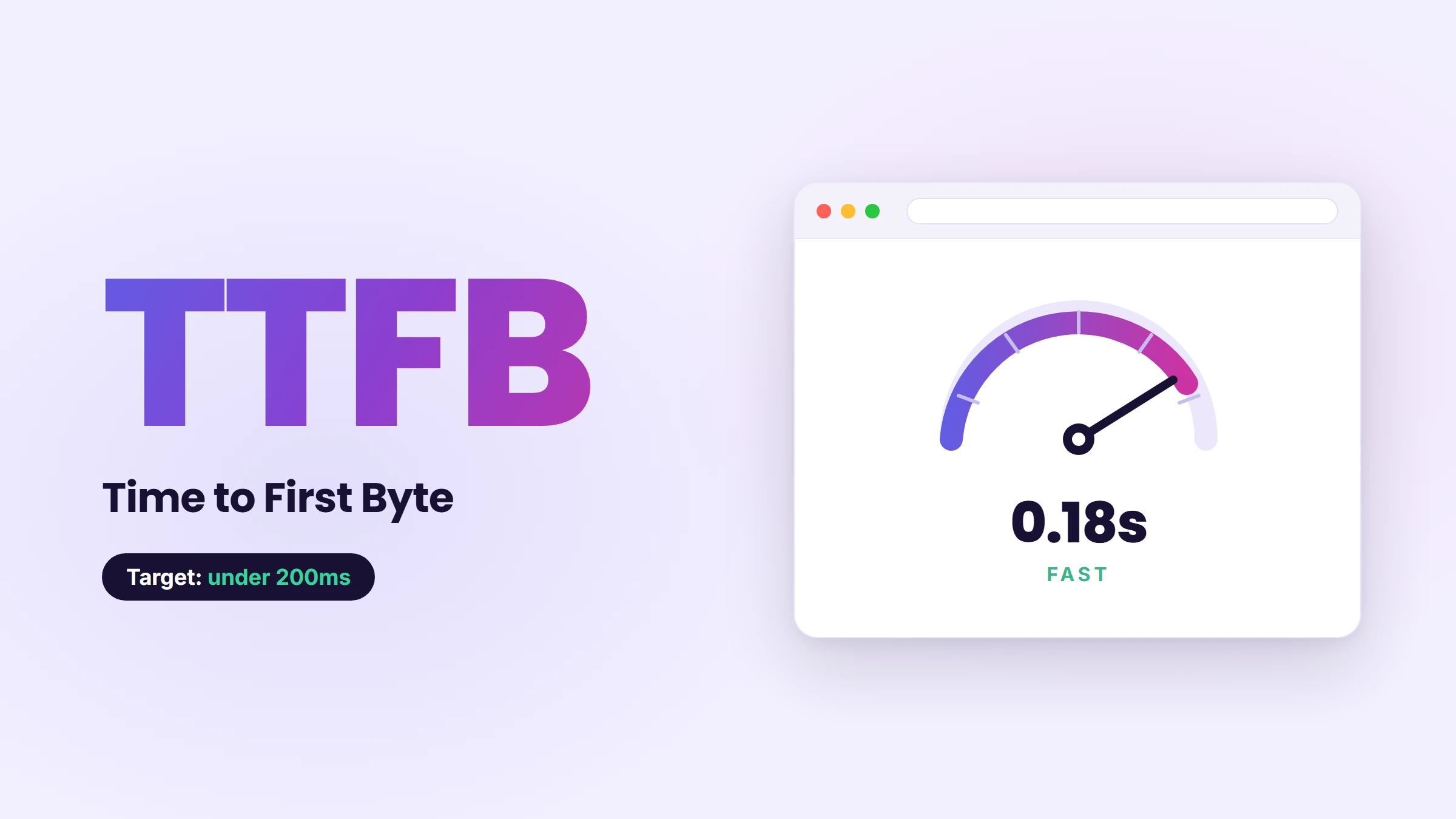
Speed keeps visitors on your site, we all know that. But the real drag on a WordPress site usually isn't unoptimized images or messy code. It's the database.
Because WordPress is dynamic, it can't just serve a static page. It has to query the database every time a URL loads, searching for content, author information, and settings. When your traffic spikes, those requests pile up fast, and your site starts to crawl.
This is where object caching steps in to fix the backend bottleneck. Instead of forcing your database to do the heavy lifting for every visitor, object caching saves the results of those queries right in your server's memory. Your site then serves that data instantly, straight from RAM instead of hammering the database. It's a game-changer for dynamic sites like WooCommerce stores and membership platforms, where standard page-caching plugins often fall short.
In this guide, we'll break down how object caching works and where it fits in the caching puzzle, then show you the exact pairing we run to make it fly on Levamo: KeyDB, a multithreaded take on Redis, working alongside the Redis Object Cache plugin for WordPress.
Concurrency is where this matters most. Imagine you run a course, community, or membership site and you're hosting a live virtual event. At the scheduled time, hundreds of members try to log in and interact all at once. Not stray visitors trickling in from a link, but a wall of concurrent, logged-in traffic. That's the moment a site either holds up or falls over. Sustaining that kind of concurrency, and scaling smoothly as it grows, is exactly what Levamo is built for.
As our platform has matured, so has our caching stack. There are several excellent caching tools in the WordPress ecosystem, and we've always chosen based on one question: what actually serves our customers' workloads best? For the concurrency-heavy sites our users run (online courses, communities, memberships, and stores) the answer today is a pairing we tune and manage on every plan: KeyDB as a multithreaded, Redis-compatible caching engine, working together with the Redis Object Cache plugin for WordPress.
What is KeyDB?
Classic Redis is wonderfully fast, but it processes commands on a single thread. That means a single instance can only ever use one CPU core, no matter how many are sitting idle on the server. On a busy, high-concurrency site, that becomes the ceiling.
KeyDB is a multithreaded fork of Redis that removes that ceiling. It runs the same proven engine across multiple threads and cores, so one node can handle dramatically more simultaneous operations. On multi-core servers, that translates to several times the throughput of a single-threaded setup, with lower latency under load. Precisely the conditions you hit during a live event or a traffic spike.
Two things make it especially well suited to a managed platform like ours:
- Drop-in Redis compatibility. KeyDB speaks the full Redis protocol and supports the same commands, data types, and clients. That means everything built for Redis, including the WordPress caching layer below, works with it unchanged, with no risky re-architecting.
- Resilient by design. KeyDB's active replication makes hot-spare failover simple, so your cache layer stays available even when a node needs to step out. On our infrastructure, that resilience is handled for you.
What is Redis Object Cache?
KeyDB is the fast in-memory engine. The Redis Object Cache plugin is what lets WordPress actually take advantage of it.
It's important not to confuse this with page caching. A page cache stores finished HTML and serves it to anonymous visitors. It does nothing for the parts of your site that matter most to a community or store: logged-in users, the WordPress admin, and any page personalized per visitor. Object caching solves a different problem. It stores the results of database queries in memory, so WordPress stops asking the database the same expensive questions on every request.
The payoff is significant. A single WordPress page load can fire dozens to hundreds of database queries; object caching can cut a large share of those, easing pressure on the database and speeding up exactly the dynamic, logged-in experiences that page caching can't touch. The Redis Object Cache plugin is a mature, widely trusted, actively maintained WordPress caching backend, and because it targets any Redis-compatible engine, it sits perfectly on top of KeyDB.
What this means for your site
- Real headroom for concurrency. Multithreaded caching means your site keeps its footing when hundreds of members arrive at once, instead of buckling at the single-core ceiling.
- Faster dynamic and logged-in pages. Course dashboards, member areas, account pages, and the WordPress admin all lean on database queries that page caching ignores. Object caching serves those from memory, so they feel snappy.
- A lighter, calmer database. By answering repeated queries from cache, your database spends its capacity on the work that genuinely needs it, which keeps things stable at peak.
- Smoother e-commerce. Cart, checkout, and account pages are dynamic by nature and can't be page-cached. Object caching accelerates the database work behind them, making WooCommerce stores feel quicker through the moments that convert.
- Built for communities, memberships, and LMS. Sites running BuddyBoss, BuddyPress, membership plugins, or a learning platform are query-heavy and personalized, making them ideal candidates for this kind of caching, on both the website and the app.
- Open source, fully managed, no add-on fees. Both KeyDB and Redis Object Cache are open source, so there's no separate licensing cost bolted onto your plan. What you get from Levamo is the harder part: the engineering to run, tune, and keep this layer fast and reliable, included and configured for you.
- Easy and low-risk. Because it's all Redis-compatible, there's nothing to re-plumb. Sites migrating in benefit immediately, without overhauls, and the caching layer scales as your traffic does.
Summary
So there you have it. In this guide, we covered how object caching works and why it makes such a difference to real-world performance. The database is often the hidden bottleneck on a dynamic site, and taking that load off it can sharply cut your response times without paying for a bigger server.
On Levamo, the hard part is already done for you. High-concurrency sites run on KeyDB paired with the Redis Object Cache, tuned and managed on every plan, so you get enterprise-grade caching without wrestling with the configuration yourself.
Got questions about your specific setup, or need a hand troubleshooting a connection? Our support team is available 24/7, day or night.